App home and onboarding
Your App Home page is the first page that merchants see, and it should provide daily value to them.
Anchor to DesignDesign
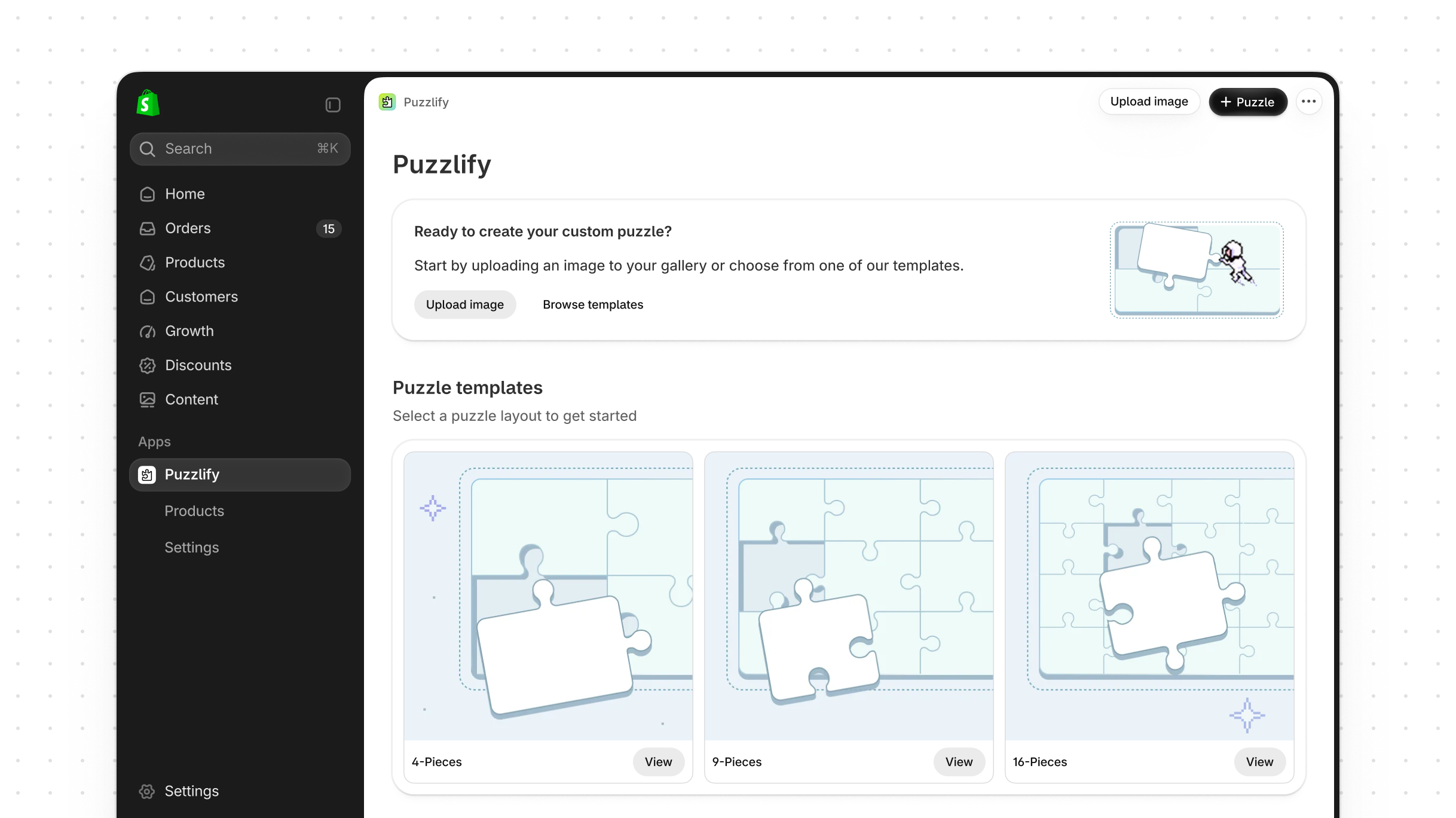
Design the App Home page in a way that quickly answers any questions that merchants might have and conveys the actions that are available to them. See the Homepage pattern for more information.
Anchor to PurposePurpose
App Home pages take many forms. A good home page should do the following:
- Provide status updates.
- Enable merchants to respond to immediate needs.
- Provide clear call-to-action (CTA) buttons so that merchants can easily see the actions that they can perform in the app.
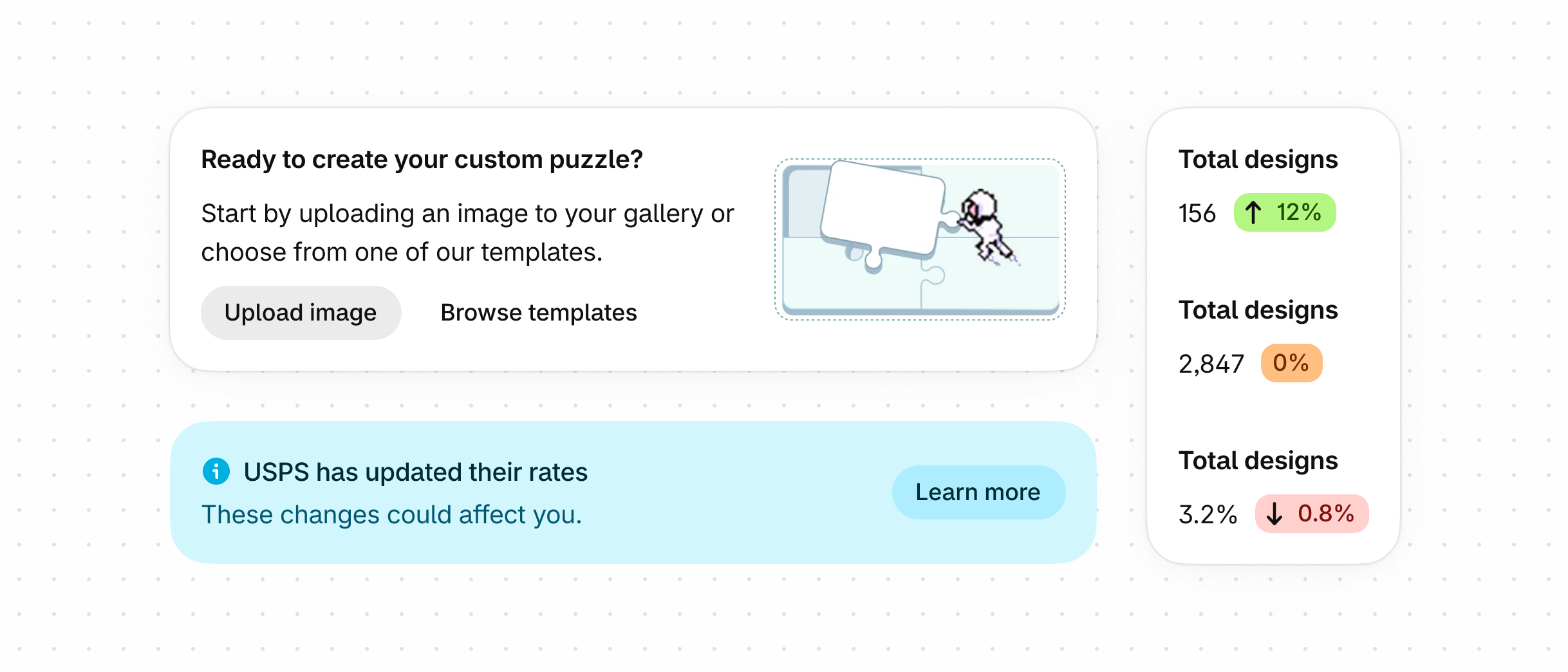
Your App Home page should provide merchants with quick statistics, status updates, or information that's immediately actionable.
Anchor to SupportSupport
Providing stellar customer support is a great way to set your app and service apart from the rest. Place your support CTAs in a place that's consistent and discoverable. Be as responsive to merchant questions as you can.
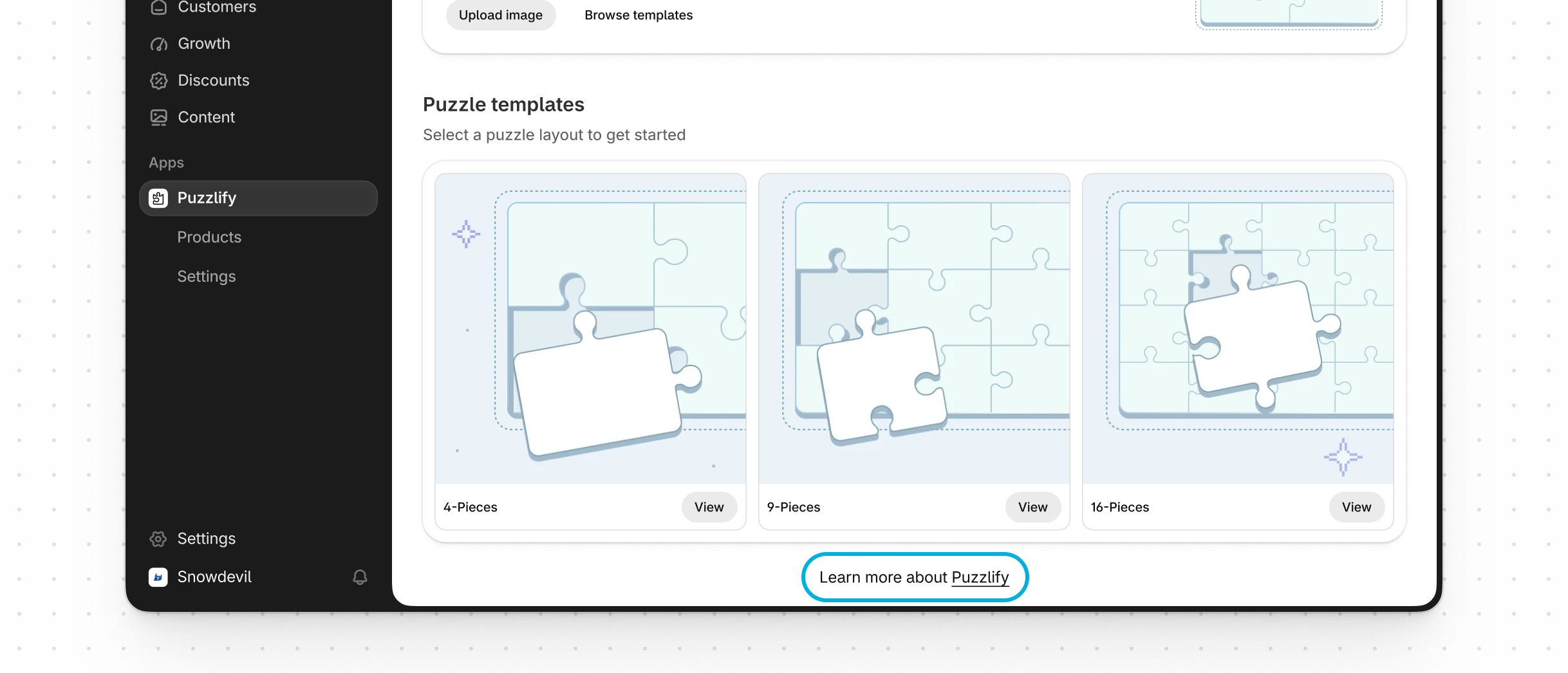
Place your support CTAs consistently, but also out of the way of merchants. You can use an item in the Polaris App nav, place a link in your page footers, or use a floating action button.
Anchor to OnboardingOnboarding
Onboarding is the process that merchants follow to set up your app. The onboarding process is crucial to merchant success.
Anchor to Onboarding purposeOnboarding purpose
Onboarding should welcome merchants and make them eager to use your app or feature. Onboarding makes merchants comfortable and sets their expectations as soon as they start using your app.
Merchants should feel like they know what to do in your app after they've completed the onboarding experience. This leads to higher usage retention. Refer to the Polaris Setup guide pattern.
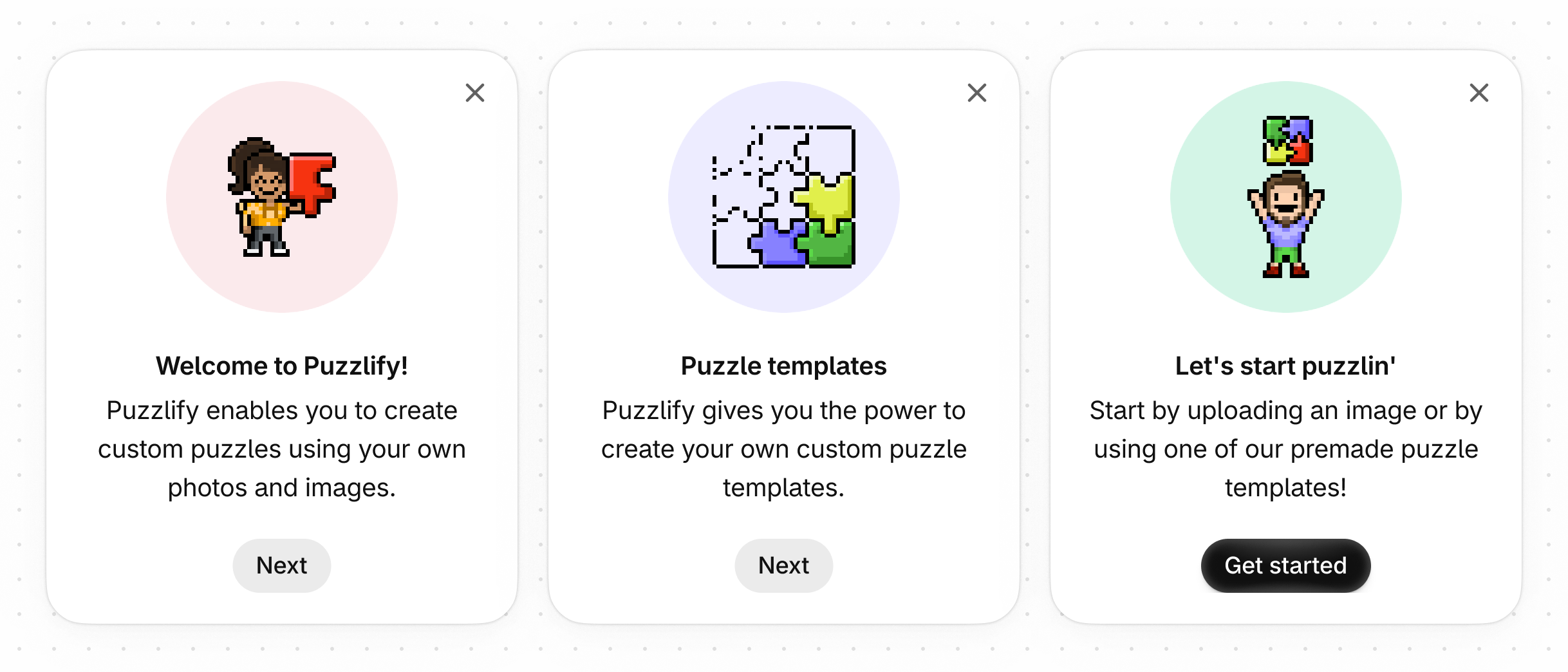
Onboarding is about sharing your app's benefits and quickly getting merchants ready to use your app.
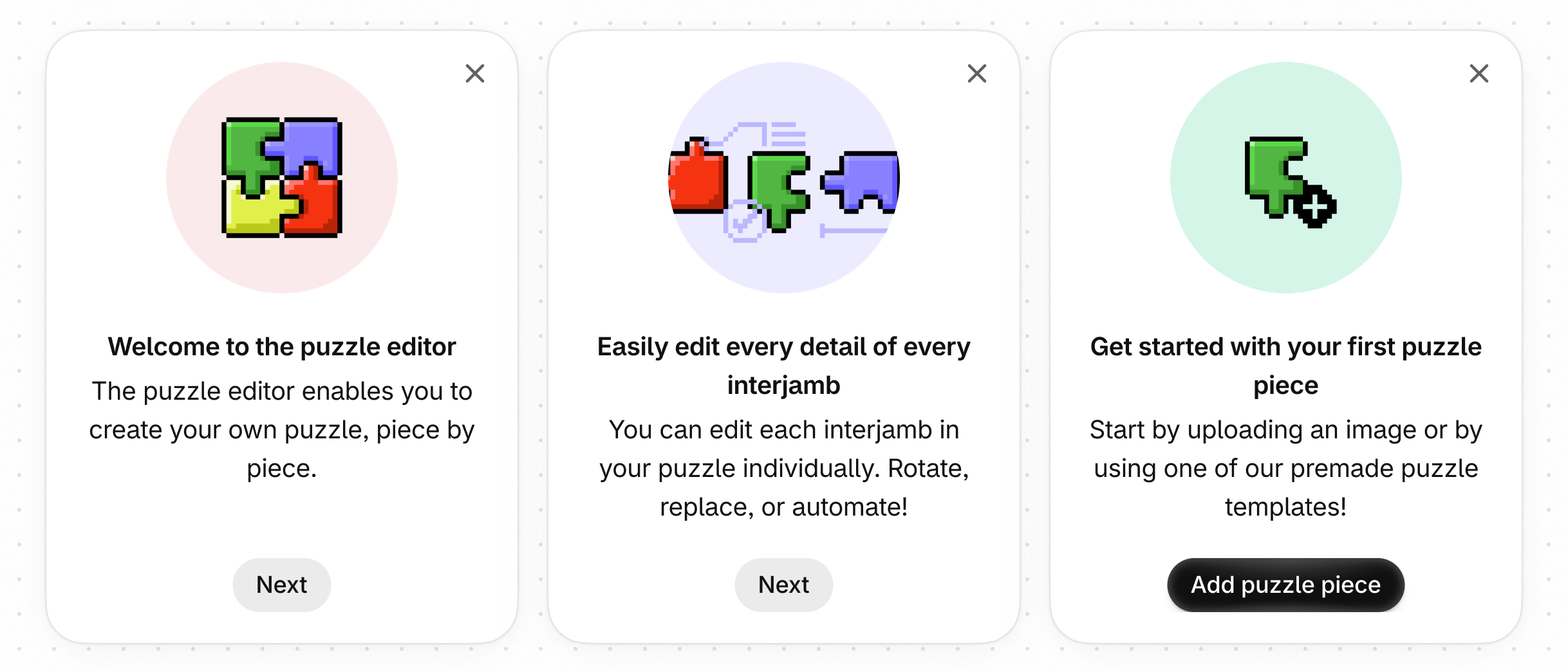
Onboarding should be brief and direct. Provide clear instructions and guide merchants to completion.
Anchor to GuidanceGuidance
Onboarding experiences efficiently guide merchants through your app's features so that merchants don't have to discover them on their own.
A great onboarding experience presents the basics of your app to merchants as quickly as possible.
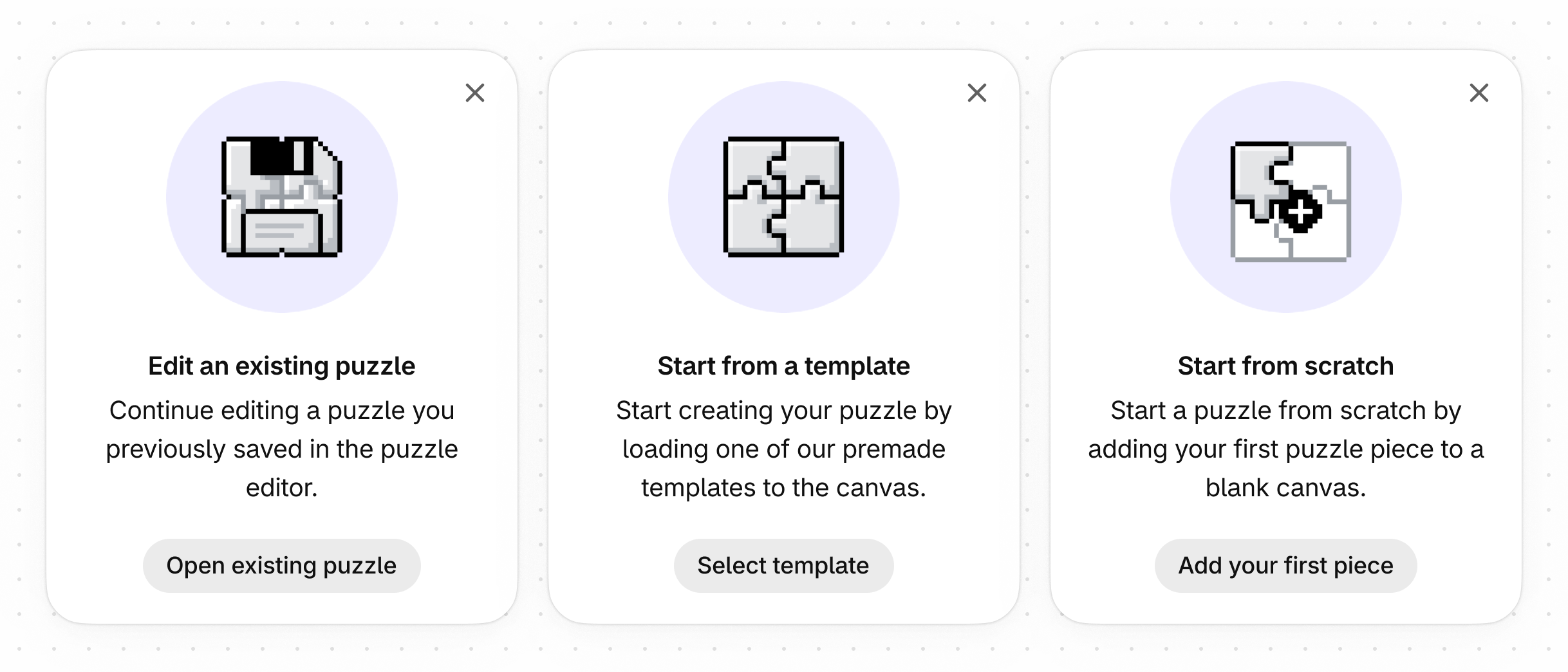
Onboarding experiences can also come in the form of a selection of actions that are quick and easy for merchants to understand.
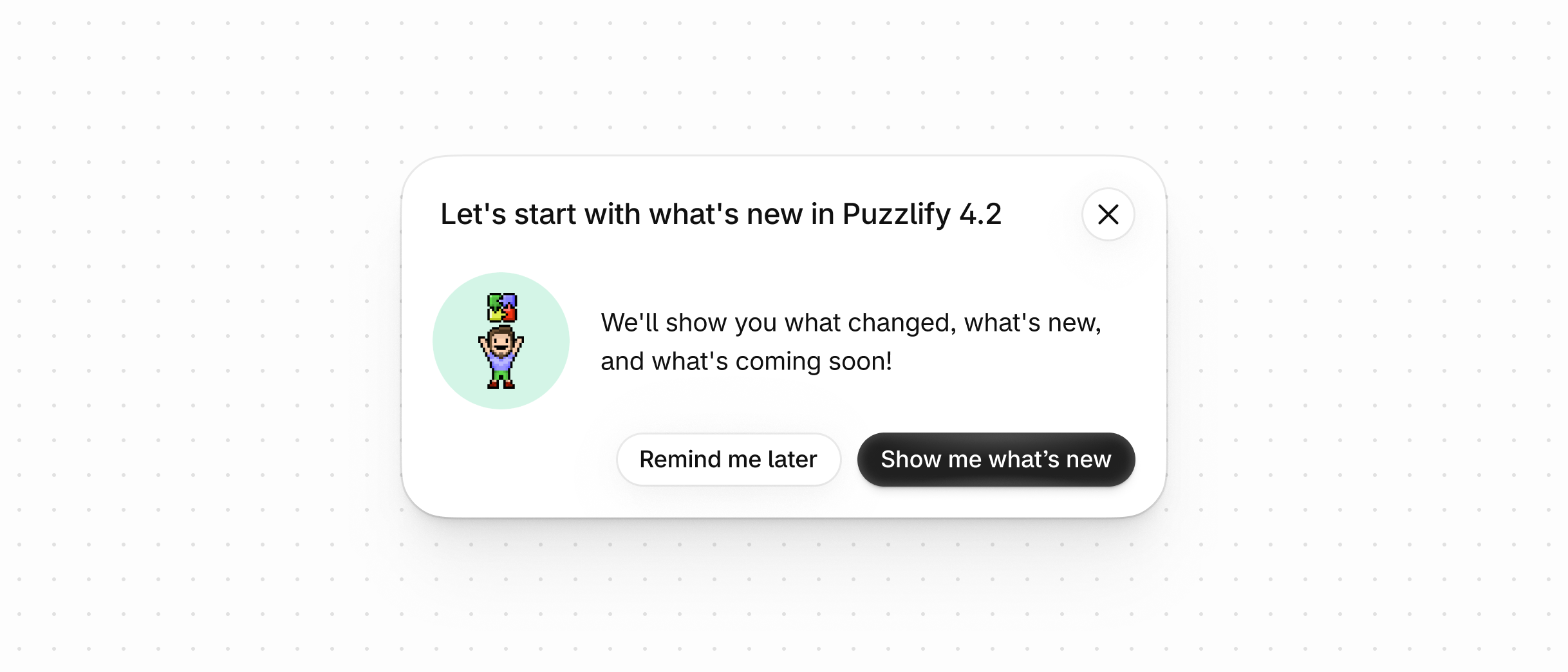
In some cases, complex onboarding can take longer than expected. Give merchants the option to complete the onboarding at a later time to avoid stopping their workflow.
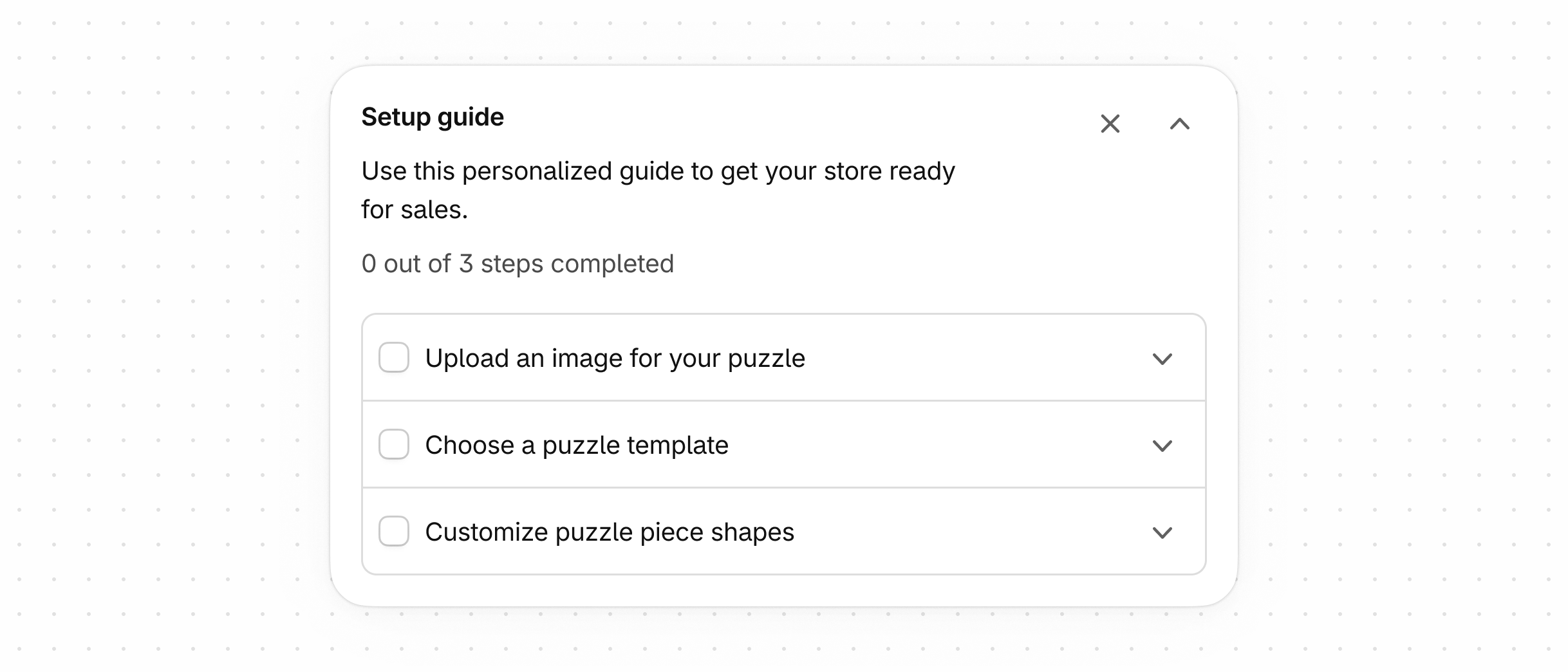
While there isn't a ready-made Polaris pattern for setup guides, you can compose your own with Polaris components and look for examples across the Shopify admin. A good setup acts as a quick start, with discrete steps that are automatically marked as complete. Including a progress indicator is another good practice that provides encouraging feedback to merchants.
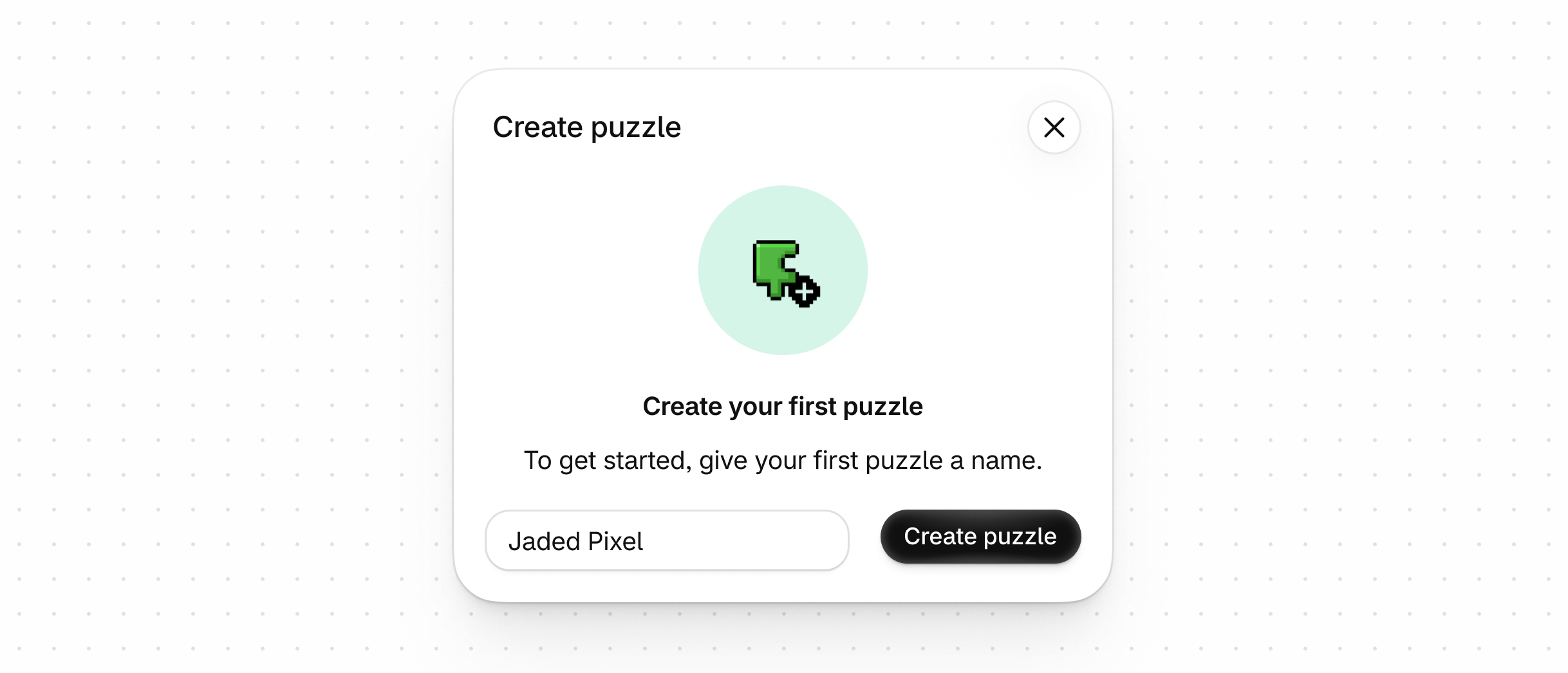
Request information from merchants only if it's necessary.
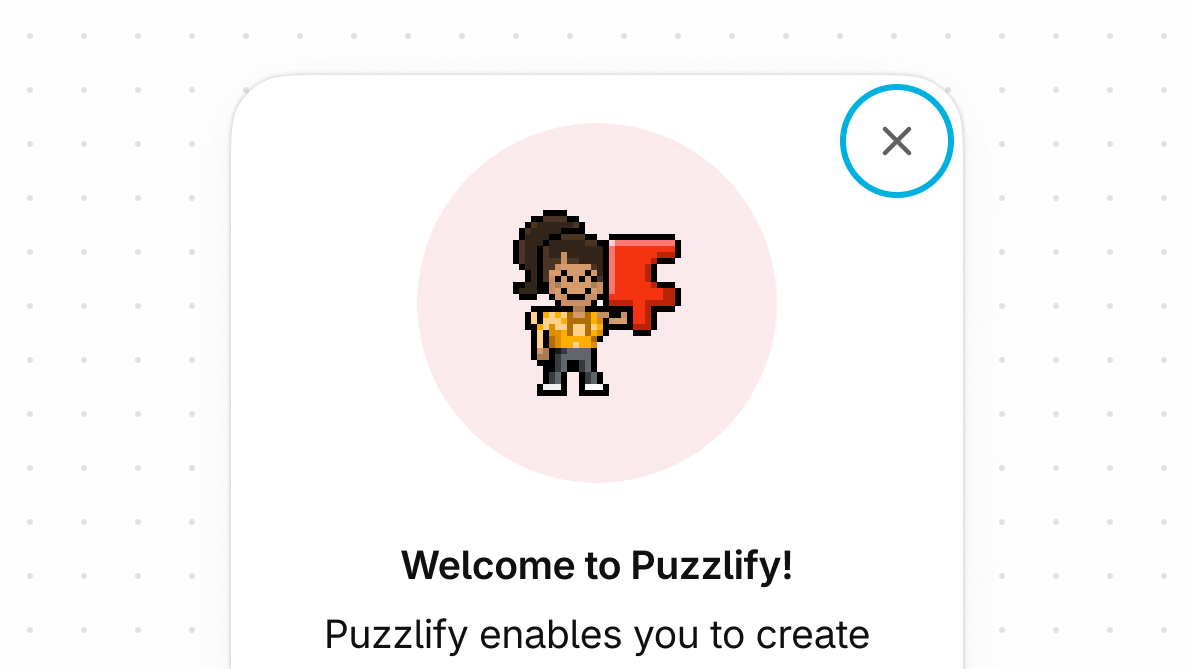
If your onboarding isn't essential, then make it dismissible using a Polaris Cancel icon.
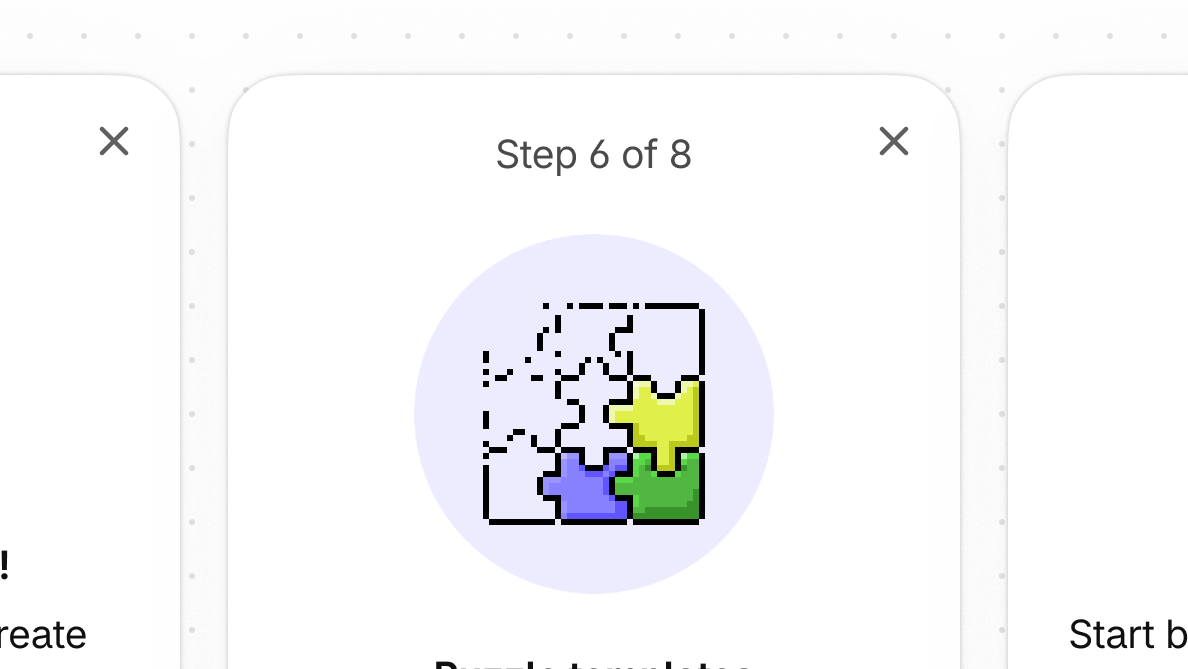
Avoid more than five steps in your onboarding process, as additional steps can lead to merchant drop off.